

Turkey says Iraq seeks 750,000 bpd capacity on Kirkuk-Ceyhan oil pipeline
- Iraq requested 750,000 bpd capacity on Kirkuk-Ceyhan pipeline, Bayraktar says
- Pipeline currently transporting some 190,000 bpd, BOTAS data shows
- If the pipeline is extended southwards, it could also carry Kuwaiti oil, Bayraktar says
- Negotiations on new pipeline agreement include arbitration-related issues
Turkish Energy Minister Alparslan Bayraktar said Iraq wants to send 750,000 bpd of oil through the Kirkuk-Ceyhan pipeline under an arrangement to keep it operating for another year, and that Turkey has set aside sufficient capacity for it.
The current pipeline agreement between Iraq and Turkey expires this month. The two countries reached an understanding last week to keep it operating for another year and a deal is expected to be signed in the coming days.
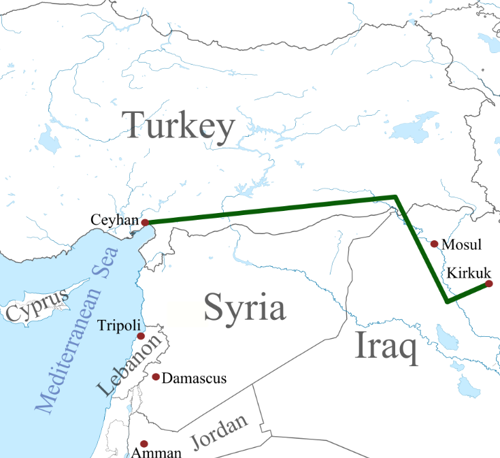
The pipeline has regained importance following Iran's closure of the Strait of Hormuz and the resulting halt in Iraq's seaborne oil exports.
Turkey informed Iraq last year that it did not want simply to renew the existing agreement and preferred to negotiate a more comprehensive arrangement.
Exports through the line were halted in 2023 after an international arbitration tribunal awarded damages against Turkey. Oil flows resumed only around two and a half years later, toward the end of last year.
According to BOTAS data, the pipeline, which has a total capacity of 1.4 MMbpd and transported roughly 480,000 bpd before the shutdown, has carried only about 190,000 bpd since restarting.
"They told us they would need 750,000 barrels of capacity. Although only 180,000–200,000 barrels are flowing today, we said that's fine - we can allocate 750,000 barrels to you,” Bayraktar told reporters after a cabinet meeting on Monday.
Goal of extending pipeline. Bayraktar said Turkey wanted to sign a new, more comprehensive agreement within one year, reiterating Ankara's goal of extending the pipeline south from Kirkuk to the Basra Gulf region and increasing its capacity to 2.5 MMbpd.
"If Kuwait wants to put its oil into this pipeline, let it do so. If others in the Gulf wish to use it, they could as well," he said.
He added that a natural gas pipeline could be built alongside an extended oil line and could transport gas from Qatar or other sources.
Bayraktar also said the $1.5 billion arbitration award against Turkey forms part of the negotiations over a new pipeline agreement.
In February 2023, an international arbitration tribunal ruled that Turkey had violated the 1976 pipeline agreement by allowing oil exports from the semi-autonomous Kurdistan region between 2014 and 2018 without the approval of Iraq's central government, ordering Turkey to pay net compensation of $1.5 billion.
Under the main ruling, Turkey was ordered to pay Iraq around $2 billion, while Iraq was ordered to pay Turkey more than $500 million for underpaid transportation fees dating back to the 1990s. Analysts have said Turkey's net liability could be reduced further once interest calculations are taken into account.
Following the award, Iraq and Turkey filed cases in Washington, D.C. relating to enforcement of the ruling and the calculation of interest. Bayraktar said those proceedings remain ongoing.


Comments